


Comprehensive Small Business Tax Solutions for Success

Tax preparation can feel overwhelming, especially when running a small business. But with the right approach, it becomes manageable and even empowering. I want to share clear, practical steps to help you navigate tax season confidently. This guide covers everything from organizing your documents to choosing the best tools and understanding deductions. By the end, you’ll have a solid plan to handle your taxes efficiently and keep your business on track.
Understanding Small Business Tax Solutions
Taxes for small businesses are different from personal taxes. You need to consider income, expenses, payroll, and sometimes sales tax. The key is to stay organized throughout the year. Keep track of all receipts, invoices, and financial statements. This habit saves time and reduces stress when tax season arrives.
Here are some essential tips to get started:
Separate business and personal finances. Use a dedicated business bank account and credit card.
Keep digital copies of all documents. Use cloud storage or accounting software.
Record every expense, no matter how small. Even minor costs can add up to significant deductions.
Understand your business structure. Sole proprietorships, partnerships, LLCs, and corporations have different tax rules.
By focusing on these basics, you build a strong foundation for your tax preparation. It also helps you avoid costly mistakes and penalties.

How to Prepare Your Taxes Step by Step
Tax preparation is easier when broken down into clear steps. Here’s a simple process to follow:
Gather all financial records. This includes bank statements, receipts, invoices, payroll records, and previous tax returns.
Choose your accounting method. Cash basis means you report income and expenses when money changes hands. Accrual basis means you report when transactions occur, regardless of payment.
Calculate your income. Add up all revenue from sales, services, and other sources.
List your deductible expenses. Common deductions include office supplies, travel, utilities, and business insurance.
Determine your tax credits. Credits reduce your tax bill directly and can include things like energy-efficient equipment or hiring certain employees.
Complete the necessary tax forms. Depending on your business type, this could be Schedule C, Form 1065, or corporate tax returns.
Review and file your return. Double-check all numbers and submit your return by the deadline.
If you feel unsure at any point, consider consulting with a tax professional. They can provide personalized advice and ensure compliance.
What is the Best Tax Program for Small Businesses?
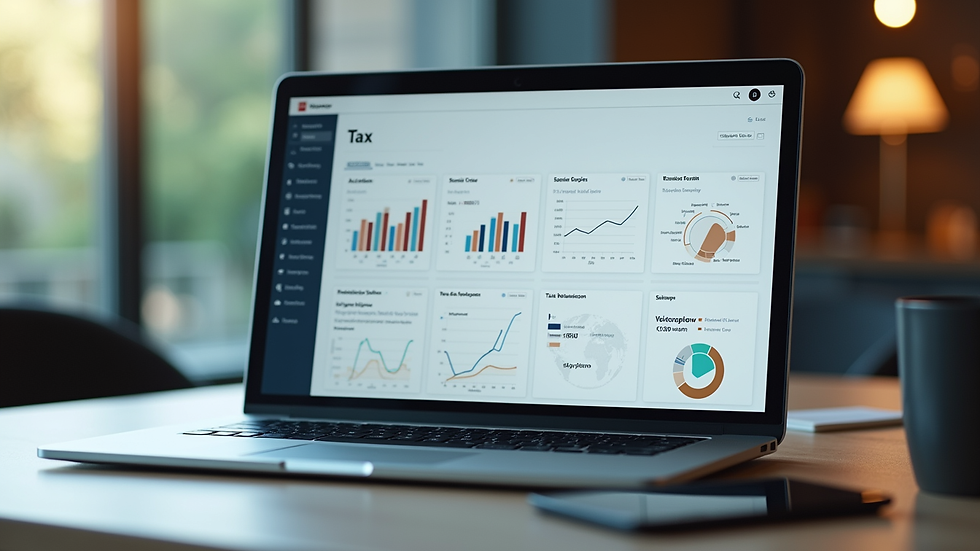
Choosing the right tax software can save you time and reduce errors. The best program depends on your business size, complexity, and budget. Here are some features to look for:
User-friendly interface. You want software that is easy to navigate without a steep learning curve.
Integration with accounting tools. Syncing with your bookkeeping software reduces manual entry.
Support for multiple tax forms. Make sure it covers your specific business structure.
Audit support. Some programs offer help if you face an IRS audit.
Affordable pricing. Look for options that fit your budget but don’t skimp on essential features.
Many small businesses benefit from cloud-based solutions. They allow you to access your data anywhere and often include automatic updates for tax law changes. Take advantage of free trials to test which program feels right for you.
Maximizing Deductions and Credits
One of the best ways to reduce your tax bill is by maximizing deductions and credits. Here are some common deductions small businesses often overlook:
Home office deduction. If you use part of your home exclusively for business, you can deduct related expenses.
Vehicle expenses. Track mileage or actual costs if you use your car for business.
Startup costs. New businesses can deduct some expenses incurred before opening.
Education and training. Courses and seminars related to your business may qualify.
Health insurance premiums. Self-employed individuals can often deduct these costs.
Tax credits are even more valuable because they reduce your tax owed dollar for dollar. Examples include:
Work Opportunity Tax Credit. For hiring individuals from certain groups.
Energy-efficient equipment credits. For installing solar panels or energy-saving appliances.
Research and development credits. For businesses investing in innovation.
Keep detailed records and receipts for all deductions and credits. This documentation is crucial if you ever face an audit.
When to Seek Professional Help
While many small business owners can handle their taxes independently, there are times when professional help is invaluable. Consider reaching out to a tax advisor if:
Your business has grown and your tax situation is more complex.
You are unsure about tax laws or recent changes.
You want to optimize your tax strategy for savings.
You face an audit or tax dispute.
You want to save time and reduce stress.
Using small business tax preparation services can provide peace of mind. Professionals stay updated on tax laws and can spot opportunities you might miss. They also help ensure your filings are accurate and timely.
Staying Compliant and Planning Ahead
Tax preparation is not just about filing returns. It’s about staying compliant and planning for the future. Here are some tips to keep your business on the right track:
Make estimated tax payments quarterly. This avoids penalties for underpayment.
Keep up with tax law changes. Laws can change yearly, affecting deductions and credits.
Maintain organized records year-round. Don’t wait until tax season to gather documents.
Review your business structure periodically. Sometimes changing your structure can save taxes.
Plan for retirement. Contributions to retirement plans can reduce taxable income.
By thinking ahead, you reduce surprises and improve your financial health.
Empower Your Business with Clear Tax Solutions
Tax preparation doesn’t have to be a headache. With the right knowledge and tools, you can handle your taxes confidently and efficiently. Remember to stay organized, choose the best software for your needs, and take advantage of deductions and credits. When needed, don’t hesitate to seek professional help through trusted small business tax preparation services.
Taking control of your tax process empowers your business to grow and succeed. Keep learning, stay proactive, and make tax season a smooth part of your business journey.


Comments